
Share
The Humanitarian Data Exchange (HDX) platform has been redesigned to make data easier to find and understand. This is our first significant change to the platform’s visual identity since we launched twelve years ago.
Our goal in the redesign was to make HDX’s over 20,000 datasets as engaging and intuitive to navigate as possible. We worked with Roberta Tassi and her team at Oblo to help us imagine a new experience with a coherent color palette and responsive design that helps humanitarians discover the data they need to inform operations.
Here is what has changed:
- A homepage that showcases the breadth of what HDX has to offer.
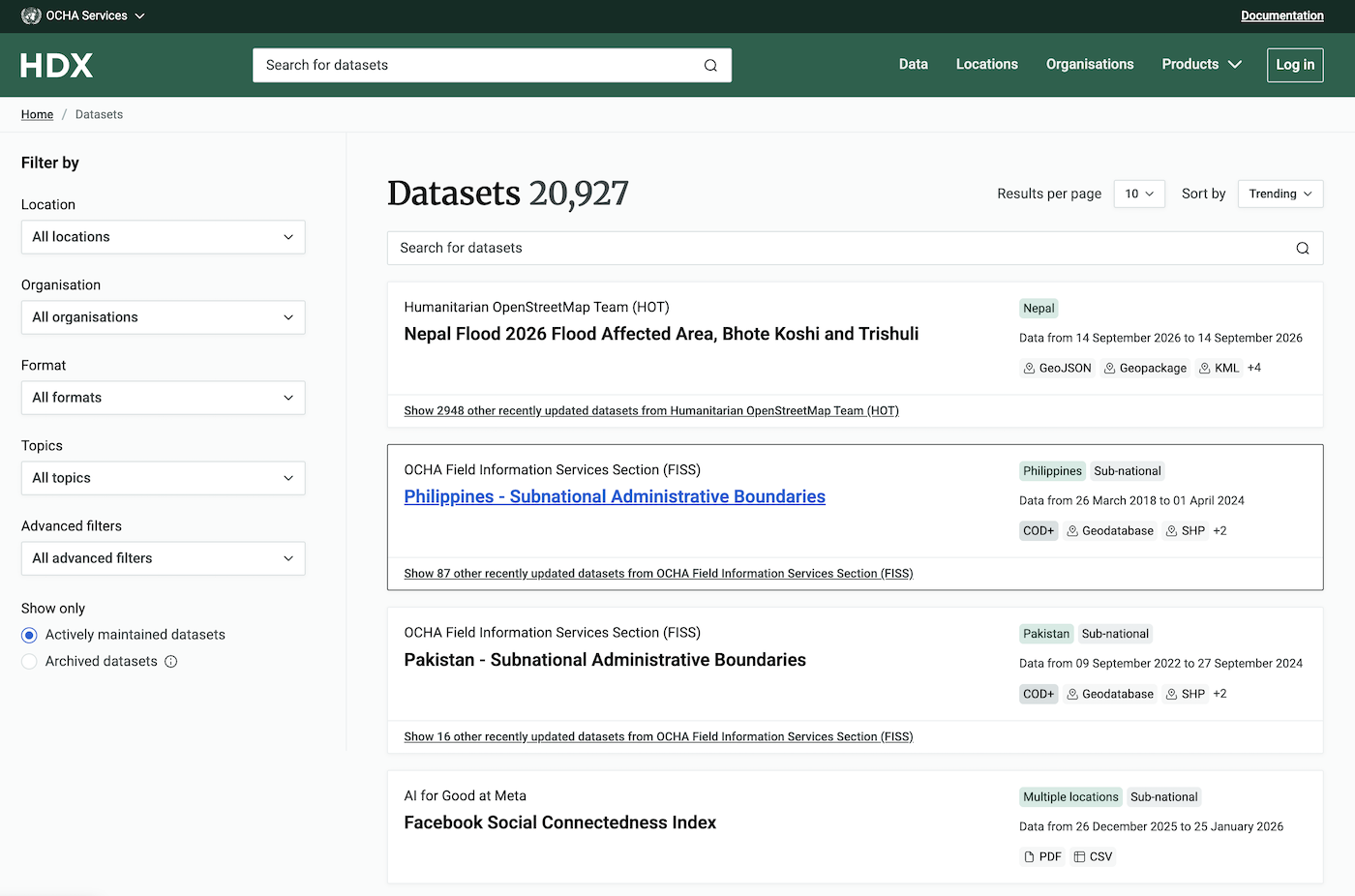
- Improved search and filtering to find data more quickly.
- Dataset, location and organization pages with improved layout.
- A dataset resource page with data preview, data dictionary and API access.
- A consistent experience across desktop, tablet, and mobile.
With this redesign, the data and core functionality of HDX remain the same. We have big ambitions for modernizing HDX, improving access to our community’s data through a more coherent API offer and AI-enabled interfaces. We will share more about our plans soon.
A new homepage
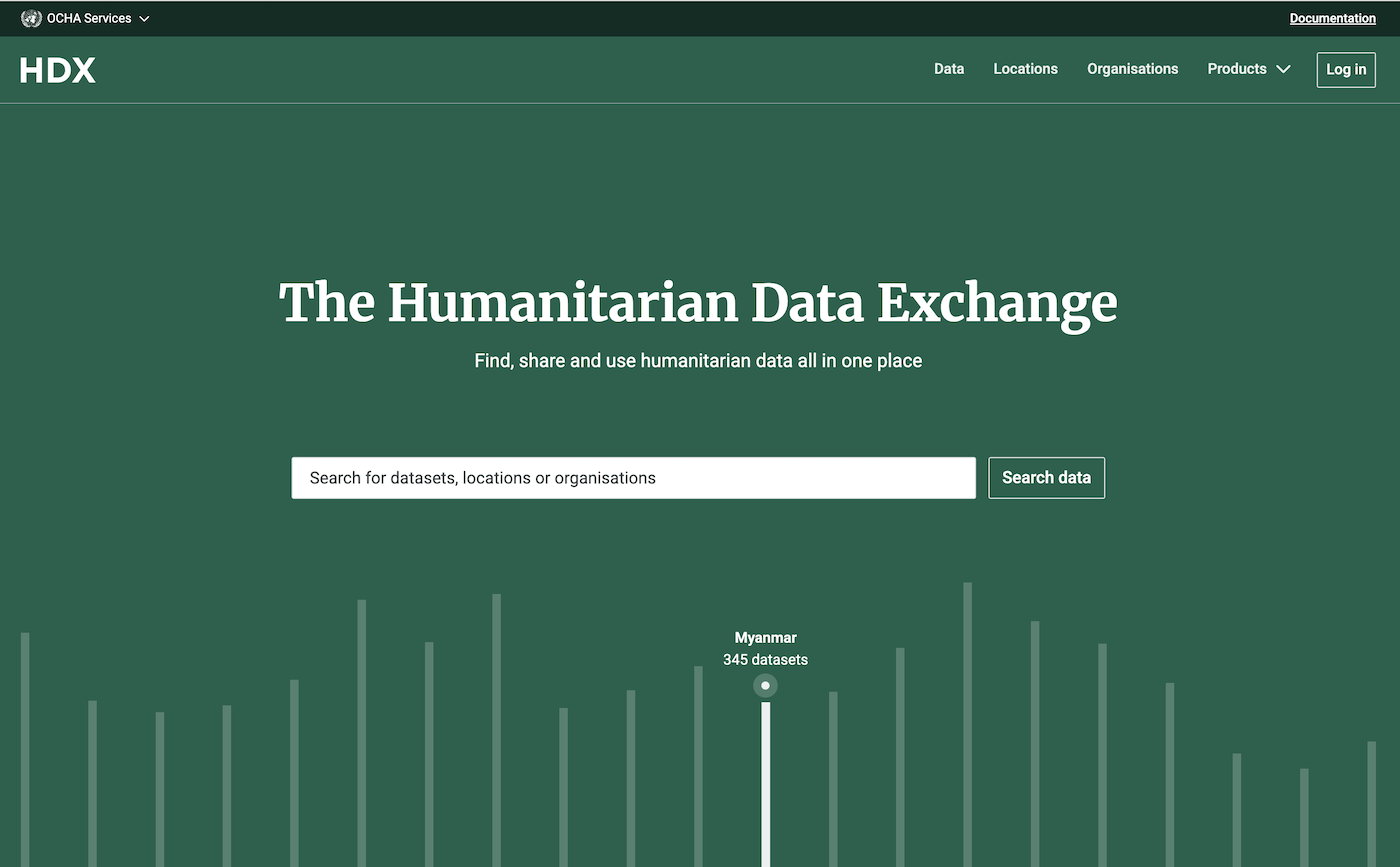
The updated design of our homepage showcases the breadth of what HDX has to offer. It now shows the number of datasets available for priority operations and the latest alerts from HDX Signals, which detects significant changes in key datasets.
Improved search
We have improved search to help users find data more easily. Guided by research into how users move through the platform, we have revised our filters and results to surface the most relevant information as quickly as possible.
New dataset, location and organization pages
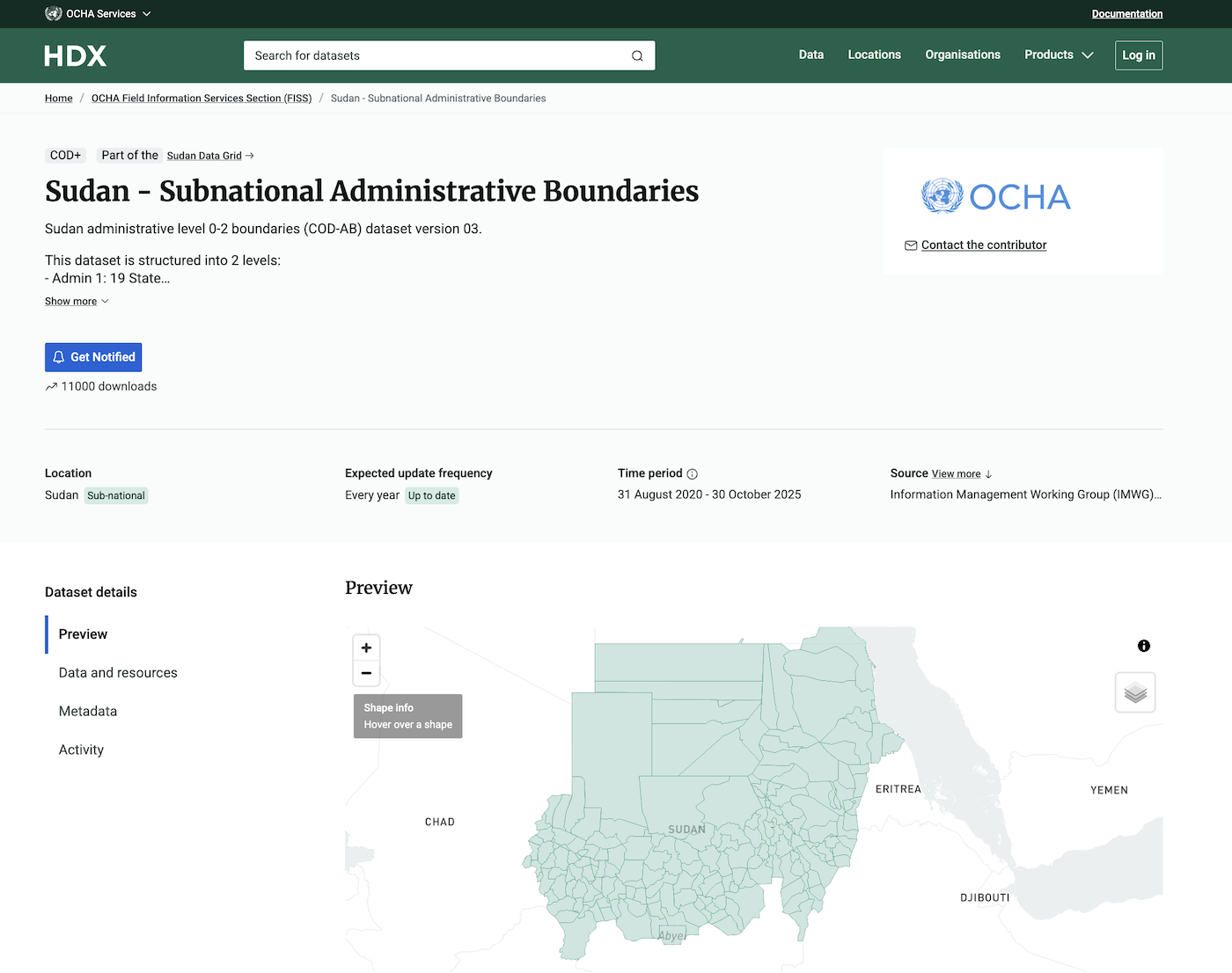
The main pages on HDX have an improved layout. Our dataset page redesign brings critical information, such as location, time period and update frequency to the fore, helping users evaluate the data before they download it.
The dataset resource page includes a preview that lets users see what is in the file, while a data dictionary on some datasets describes each column so users know exactly what the data contains. API access is also accessible on all resources for users looking to connect data to their own tools and workflows.
Next steps and feedback
This first release covers most of the public pages on HDX. We will continue to make improvements over the coming months, including updates to pages that require a login. All support and technical documentation for HDX can be found on our new Gitbook documentation site.
Please reach out to us at hdx@un.org with any questions or comments on the new design. We welcome your feedback.