
Share
This article initially appeared in The State of Open Humanitarian Data 2026.
In 2025, eleven out of the twenty sub-categories in the HDX Data Grids saw some year-on-year decline in the availability of up-to-date humanitarian data. This result broadly aligns with the risks to data availability that we laid out in last year’s report, based on the funding cuts that had been announced and their potential impact on data management efforts. Overall, the HDX Data Grids show a marginal decrease in availability relative to the level of cuts. This was achieved through implementation of short-term mitigation measures and the prioritization of data activities in Humanitarian Needs and Response Plan (HNRP) locations.
The most heavily impacted sub-categories were baseline population and administrative divisions, with a 45 percent and 28 percent reduction in year-on-year availability respectively. These declines in data availability can be attributed to process slowdowns, resulting from capacity constraints. The decline in baseline population reflects the rapid reduction in the capacity of UNFPA to process new updates for the latest population data. Administrative divisions were impacted by the loss of third-party support in early 2025, requiring a replacement process to be established by already stretched teams to validate and publish this data.
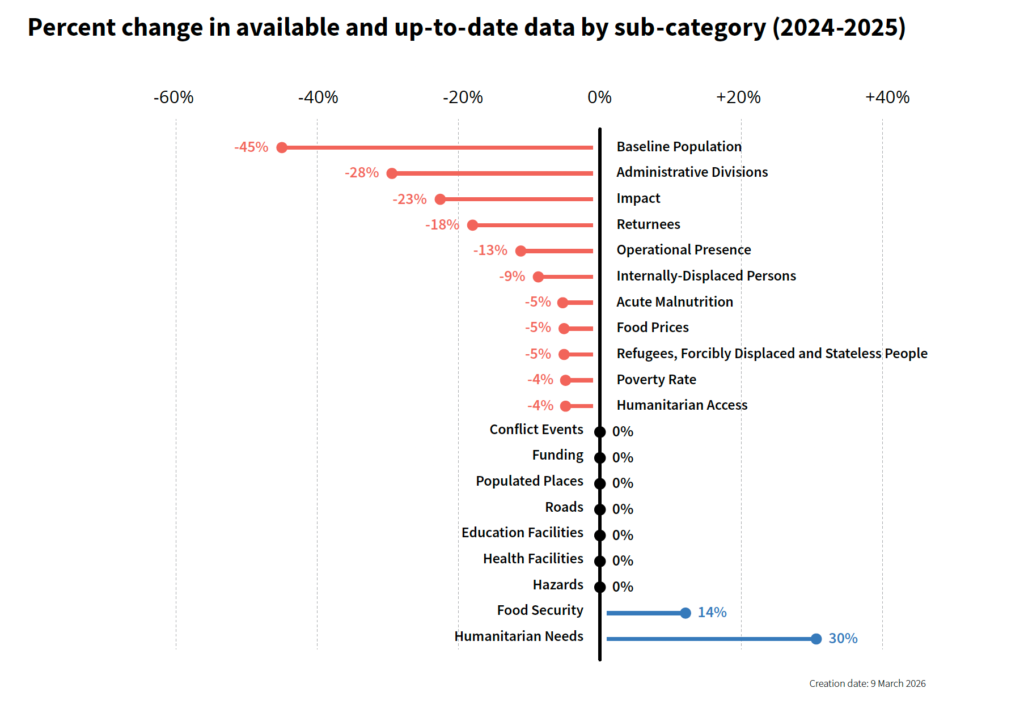
By the end of the year, we saw declines across four sub-categories that rely on primary data collection, with returnees dropping by 18 percent, Internally displaced people (IDPs) by 9 percent, acute malnutrition by 5 percent, and food prices by 5 percent. Returnees data has become out of date in locations, contributing to an 18 percent drop in availability. The decline in IDP data can be attributed to the lack of data for Ethiopia and the State of Palestine.
A small group of sub-categories remained stable, with no year-on-year change. Populated places, roads, education facilities, and health facilities remain both available and up-to-date, owing to the satellite-derived, crowd-sourced model used by the Humanitarian OpenStreetMap Team. In the climate category, hazards mostly remained stable, while climate impact data declined by 23 percent, driven by an increase in both unavailable and out of date data.
Food security and humanitarian needs showed a positive change of 14 and 30 percent respectively. The food security sub-category includes acute food insecurity data from Integrated Food Security Phase Classification (IPC) and Cadre Harmonisé. In 2024, delays to the publication of the Cadre Harmonisé data for West African countries negatively impacted availability, whereas, in 2025, the data was published on time. This accounts for the significant rise in data availability.
For humanitarian needs, the increase can be attributed to the hyper-prioritization under the Humanitarian Reset, resulting in a stronger focus on lightening the process and earlier availability of this data than in past years. Four locations – Ethiopia, Palestine, Myanmar and Venezuela — are not included in the calculation of availability because the data is not produced or too sensitive to share.
Beyond the Data Grids
Recognizing the scale of disruption faced by the sector in the last year, we worked with data partners and country offices throughout the year to understand how funding cuts were impacting data capacity. This qualitative analysis has allowed us to capture changes that would otherwise be hard to quantify.
Disruption to data activities varied by country and organization, influenced by donor priorities and funding diversity. Emergency measures allowed many organizations to continue to deliver data activities through 2025. Several were able to stave off disruption by freezing vacancies and postponing lay-offs until later in the year, although this was not the case for project-based activities which were cut immediately.
The rapid reprioritization of resources ensured data collection could continue in many HNRP locations. For example, for the IPC, partners prioritized the most severe crises for food security analysis and directed limited staff capacity toward those contexts. This prioritization coincided with a devastating year for food insecurity. In 2025, the IPC classified famine conditions in Sudan and the Gaza Strip. For the first time since the IPC was created more than 20 years ago, two famines were declared.
From our conversations, we understand that data collection and analysis in the most severe crises continued. This was achieved by reducing the frequency of data collection, limiting geographical coverage and using less resource-intensive methods. For example, in 2025, WFP monitored food prices and markets in a similar number of locations as in 2024, but in-person verification fell, with enumerator visits dropping by approximately one third. For REACH, the number of Multi-Sector Needs Assessments (MSNAs) decreased from 16 to 14 year-on-year. In 2025 about half of the MSNAs conducted by REACH covered the whole country. In the remaining contexts, MSNAs covered a part of the crisis, focusing on the most severe areas and addressing data gaps.
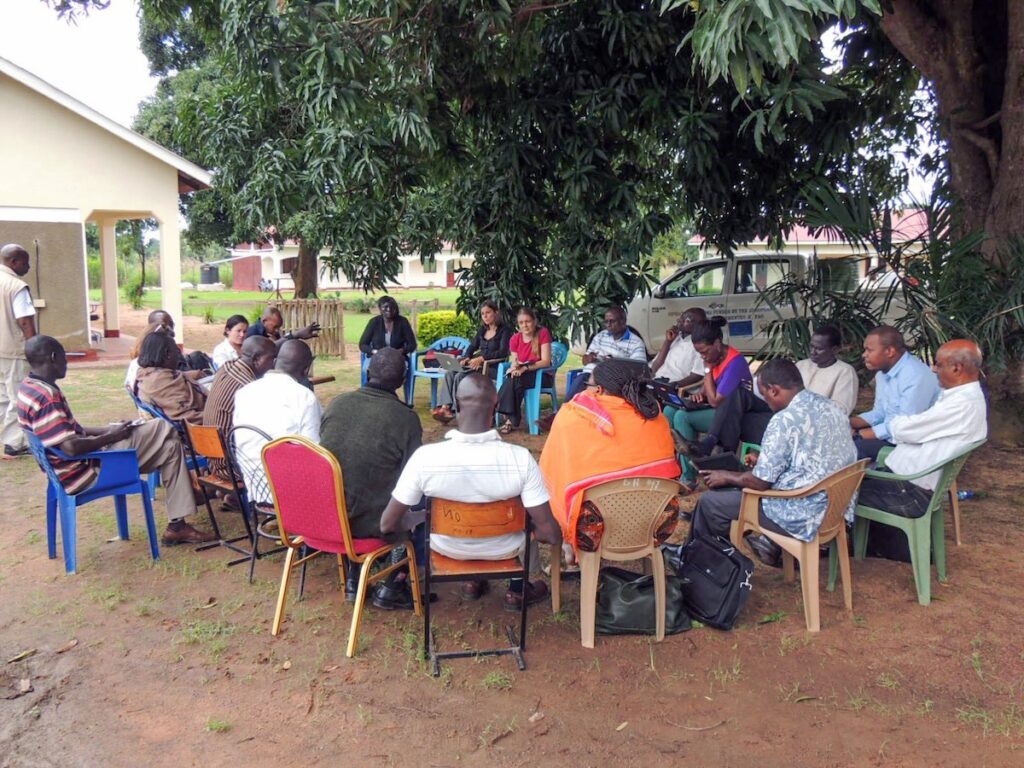
In Sudan, IOM was forced to cancel contracts for more than 100 enumerators. Displacement data collection was disrupted, undermining the MSNA, until emergency funding was secured. For UNHCR, refugee registration systems slowed, with longer waiting periods and fewer people being registered.
Many of the staffing reductions postponed in 2025 have now been actioned. At the beginning of 2026, UNHCR and IOM reported reductions of around 40 percent in data-related staff, while OCHA reduced its information management capacity in field offices by more than 15 percent. In some contexts, networks of enumerators and key informants built over many years have been disbanded.
Looking to 2026, IOM indicated that data collection in Somalia, for instance, is expected to be reduced to four or five locations, compared with nationwide coverage in 2024. A similar approach is being taken in the Democratic Republic of Congo, Ethiopia, and Mozambique.
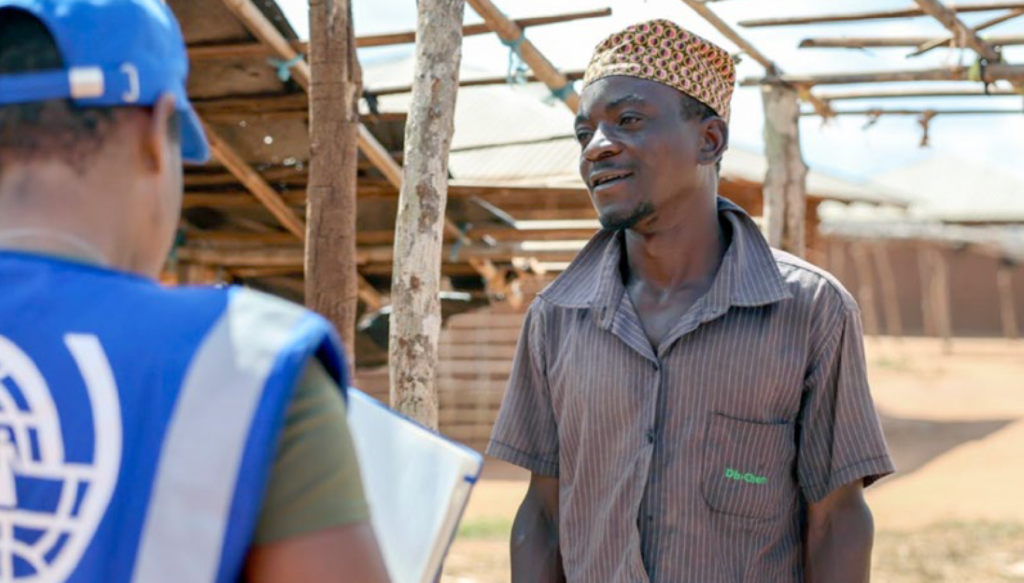
These ramifications will go beyond the humanitarian sector. Reductions to UNHCR’s capacity will put pressure on their statistical work. UNHCR provides socioeconomic data on refugees to governments and development actors; without adequate resources, government-led solutions that rely on this data may be undermined.
To continue to operate in this financial climate, organizations have been forced to scale back their operational presence. Particularly pronounced pullbacks have been seen in Southern Africa, Latin America and the Caribbean. This reduction in geographic coverage will make it difficult for humanitarians to reliably identify emerging hotspots or rapidly respond to new or deteriorating crises, particularly in non-HNRP countries.
For example, WFP announced they will close the Southern Africa regional office and consolidate with the East African regional office. While the region has not traditionally experienced high levels of food insecurity, the 2024 El Niño shock pushed several countries into states of emergency. When similar climatic shocks occur in the future, reduced assessment capacity could delay the identification of needs and jeopardize timely, life-saving assistance.
2025 was defined by short-term mitigation measures, with humanitarian actors working under pressure to continue data activities. Conversations with partners suggest the consequences of funding reductions will likely become more visible in 2026, as organizations adapt to their smaller size and endeavour to do better with less through improved processes and use of advanced technologies.